
Exam Support
Register for Elevate’s Parent Webinar Series This Term
Elevate Education delivers high-impact workshops to our students that help to develop their study skills, motivation, and exam preparation. Over the next term, you're invited to join their parent webinar series, where you can help support your child at home by reinforcing the skills they're learning at school.
Upcoming Webinars:
How to Get (And Keep!) Your Child Motivated – 15th September@ 6:00pm (BST)
How You Can Help Your Child Manage Their Time – 29th September @ 6:00pm (BST)
You Can Help Your Child Improve Their Note Taking – 13th October @ 6:00pm (BST)
How You Can Help Your Child Prepare for Exams – 10th November @ 6:00pm (GMT)
How to Help Your Child Study with AI – 24th November @ 6:00pm (GMT)
How You Can Build Resilience in Your Child – 15th December @ 6:00pm (GMT)
Register for the series by clicking the link below and learn some great practical strategies to help support your child this year.
https://go.elevateeducation.com/ukschoolwebinar
Building Resilience
Taking Responsibility: The Locus Rule
To find out what the locus rule is
To take responsibility for your success by finding what drives you (your why).
Your Why
A guiding principle that drives your motivation and gives meaning to your actions
How to find your why
Think about what or who you care about most and what or who makes you proud of yourself and what you could achieve.
Your parents' investment in you

‘I want to be successful, so raising a child won’t be a financial struggle’
‘My parents have supported me. I want to be able to support them when they are old’
‘I want my family and friends to be proud of who I become’
‘I want to be the first person in my family to go to university’
‘My parents invested in me. I want to make them proud that they did’
Have a think and write your why in your form time exercise book.
Resilience: Taking Responsibility
Revisit the idea of your why
Remind ourselves what Resilience means
Think about what you can do to take responsibility for your learning at GCSE
The first step in taking responsibility – Finding your why?
Your Why
A guiding principle that drives your motivation and gives meaning to your actions
How to find your why
Think about what or who you care about most and what or who makes you proud of yourself and what you could achieve.
Resilience
The capacity to withstand or to recover quickly from difficulties;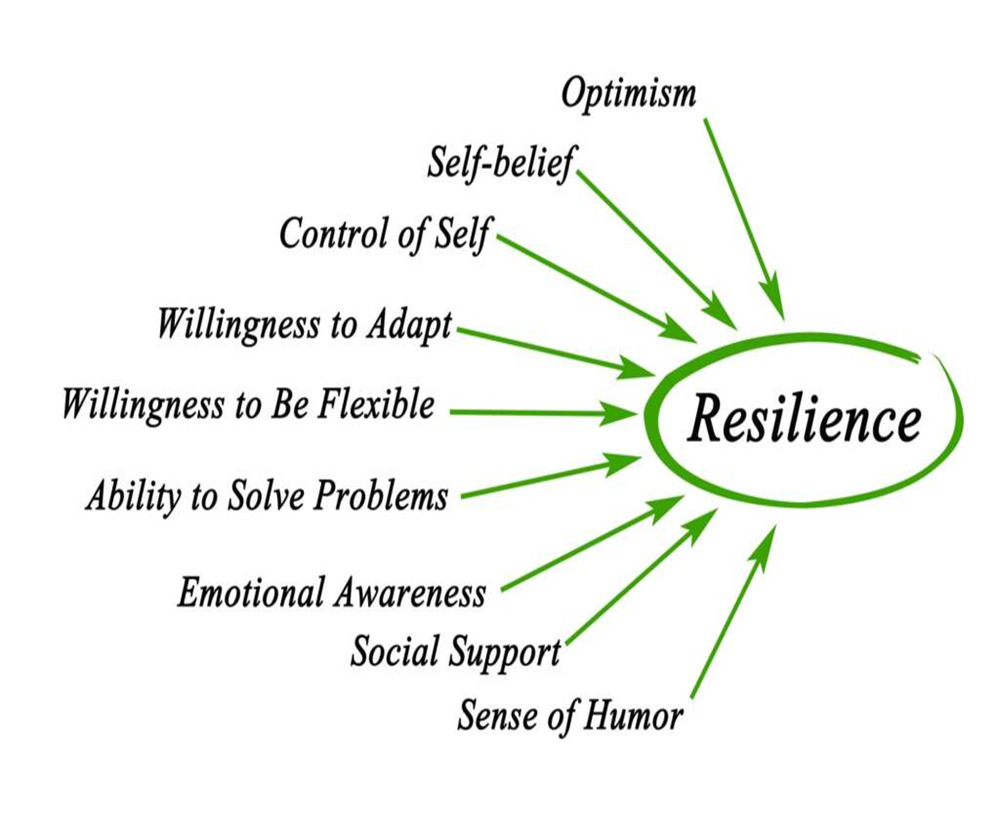 toughness.
(Oxford Dictionary)
Links to the Locus Rule (last session). Resilient learners adapt to the situation in which they find themselves, rather than just blaming the situation for all their problems.
Resilience: Taking Responsibility

Resilient learners take responsibility for their outcomes and progress.
“The only person you will do a disservice to by not working at school is you" Why is this?
Taking responsibility – complete missed work
If you miss school, what do you do?
A. Nothing
B. Think I might need to catch up with work
C. Catch up the work by accessing Teams/ borrowing a friend's book
Often work that you miss comes up in exams, and you need to be ready for that.
Taking Responsibility – give yourself enough time to complete homework and revision
Taking responsibility – give yourself enough time to complete homework and revision
Devise a realistic weekly schedule. Doing this and sticking to it will enable you to approach exams calmly and stay on top of your workload.
| Time | Monday | Tuesday | Wednesday | Thursday | Friday | Saturday | Sunday |
|
16.00-16.30 |
Sea Cadets | Unwind | See Friends | TV | Unwind | Exercise | Visit Nan |
|
16.30-17.00 |
Sea Cadets | Unwind | See Friends | TV | Unwind | Exercise | Visit Nan |
|
17.00-17.30 |
Sea Cadets | Homework | See Friends | Exercise | Get Ready | Homework | Homework |
|
17.30-18.00 |
Sea Cadets | Revision | See Friends | Exercise | Get Ready | Revision | Revision |
|
18.00-18.30 |
Dinner | Dinner | Dinner | Dinner | Dinner | Dinner | Dinner |
|
18.30-19.00 |
Dinner | Dinner | Dinner | Dinner | Dinner | Dinner | Dinner |
|
19.00-19.30 |
Homework | Swimming | Homework | Homework | See Friends | Relax | Homework |
|
19.30-20.00 |
Revision | Swimming | Revision | Revision | See Friends | Relax | Revision |
| 20.00-20.30 | Pack school bag | Pack school bag | Pack school bag | Pack school bag | Pack school bag | Pack school bag | Pack school bag |
|
20.30-21.00 |
Relax | Relax | Relax | Relax | See Friends | Relax | Relax |
“Taking responsibility is the first step toward success. If we blame others for our failures, we’re giving away control over our future.“
Resilience: Reframing
1. Revisit the idea of your why (S1)
2. Remind ourselves what resilience means (S2)
3. The importance of reframing to build resilience (S3) onwards
The first step in taking responsibility – Finding your why?
Your Why
A guiding principle that drives your motivation and gives meaning to your actions
How to find your why
Think about what or who you care about most and what or who makes you proud of yourself and what you could achieve.
Resilience
The capacity to withstand or to recover quickly from difficulties; toughness.
(Oxford Dictionary)
Links to the Locus Rule (last session). Resilient learners adapt
to the situation in which they find themselves, rather than just
blaming the situation for all their problems.
Resilience: Reframing
Changing negative thoughts and perspectives into more positive and realistic ones by challenging unhelpful beliefs and focusing on solutions or lessons learnt.

Reframing – break a task down into chunks


Reframe: Reflect and Grow

Possible questions to ask yourself:
Did I do enough preparation?
What questions didn’t I get?
Do I ask when I don’t get something?
What can I change next time?
Often, spending a bit of time reflecting on the reasons behind a low mark can enable you to identify the cause and make the necessary changes to progress next time.
"The happiness of your life depends on the quality of your thoughts" — Marcus Aurelius.
Managing your study time effectively
Managing your time effectively
How to develop a study routine to ensure you are doing regular work.
How do you plan your time currently?
Are there any issues with how you plan your time?
Taking responsibility
Give yourself enough time to complete homework and revision.
Devise a realistic weekly schedule. Doing this and sticking to it will enable you to approach exams calmly and stay on top of your workload.
| Time | Monday | Tuesday | Wednesday | Thursday | Friday | Saturday | Sunday |
|
16.00-16.30 |
Sea Cadets | Unwind | See Friends | TV | Unwind | Exercise | Visit Nan |
|
16.30-17.00 |
Sea Cadets | Unwind | See Friends | TV | Unwind | Exercise | Visit Nan |
|
17.00-17.30 |
Sea Cadets | Homework | See Friends | Exercise | Get Ready | Homework | Homework |
|
17.30-18.00 |
Sea Cadets | Revision | See Friends | Exercise | Get Ready | Revision | Revision |
|
18.00-18.30 |
Dinner | Dinner | Dinner | Dinner | Dinner | Dinner | Dinner |
|
18.30-19.00 |
Dinner | Dinner | Dinner | Dinner | Dinner | Dinner | Dinner |
|
19.00-19.30 |
Homework | Swimming | Homework | Homework | See Friends | Relax | Homework |
|
19.30-20.00 |
Revision | Swimming | Revision | Revision | See Friends | Relax | Revision |
| 20.00-20.30 | Pack school bag | Pack school bag | Pack school bag | Pack school bag | Pack school bag | Pack school bag | Pack school bag |
|
20.30-21.00 |
Relax | Relax | Relax | Relax | See Friends | Relax | Relax |
Prioritising
What is the difference between the zone of demand and zone of marks work?
How to plan your zone of marks work
Spend 5 minutes discussing the following:
Why is it important to do non-required tasks?
Do you currently do any non-required work?
Prioritising Work
Try and fill in Week 1 for your non-required tasks.
Remember, you only need 1 task, per subject, per week that takes 15 minutes maximum. You can access the template here.
Some examples might be:
Extra reading on a topic
Planning a Practice Paper answer
Doing a Practice Paper Question
Watching a revision video
|
Subject |
Week 1 |
||||
|
English |
|||||
|
Science |
|||||
|
Maths |
|||||
|
History |
|||||
|
Drama |
|||||
|
Art |
|||||
|
French |
|||||
|
Spanish |
|||||
|
Geography |
Reducing your workload
How to set up an effective work group to reduce your work load
Spend 5 minutes discussing the following:
How do you currently prepare for exams?
Do you do everything on your own?
Planning and using a study group
-
Select a subject and topic
-
Select 4 group members
-
Select a time to meet
-
Split topic into sub topics
-
Select a deadline for notes/ revision resources/ presentation
-
Do the work
-
Meet again and share resources and teach the knowledge to your group members
Revision techniques and guidance
Effective Memorisation 1 and 2
Effective Memorisation
•What are the problems of rote/ repetition revision
•What does effective memorisation look like and the steps
•Go through the process
Effective Memorisation –
Follow these steps
-
Check your notes against a PLC or Curriculum and fill the gaps
-
Read and review your notes
-
Need a thinking task
-
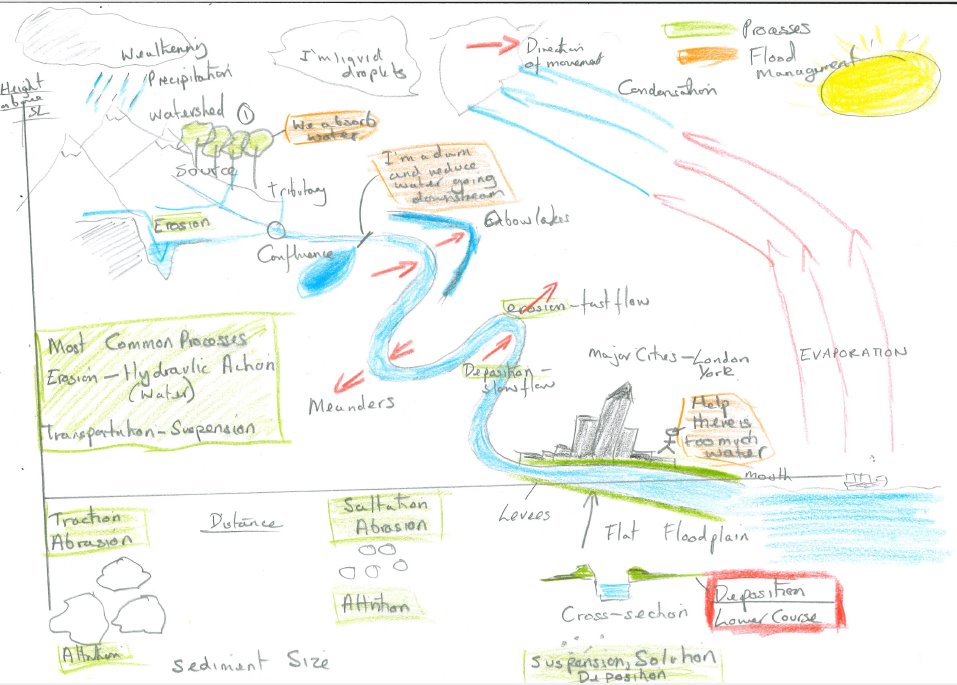
Condense your notes into mind maps with key trigger words
-
Turn your mind maps into infographics using pictures, colour and trigger words.
-
Test yourself – discuss next session
Effective Memorisation 3 and 4
Effective Memorisation
-
What are the problems of rote/ repetition revision
-
What does effective memorisation look like and the steps
-
Go through the process
Effective Memorisation –
Follow these steps
-
Check your notes against a PLC or Curriculum and fill the gaps
-
Read and review your notes
-
Need a thinking task
-
Condense your notes into mind maps with key trigger words
-
Turn your mind maps into infographics using pictures, colour and trigger words.
-
Test yourself – discuss next session